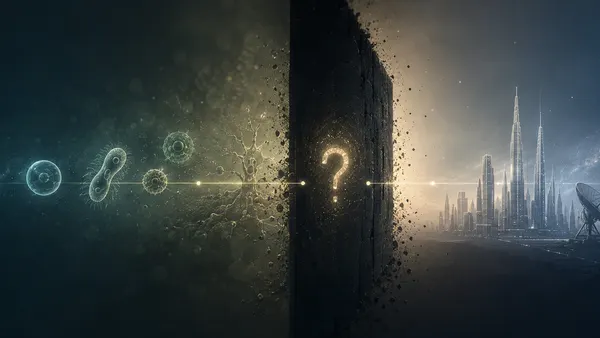
Physician, astrologer and prophet, Nostradamus wrote the verses that made him immortal. Five centuries later, the argument over what they really mean continues.
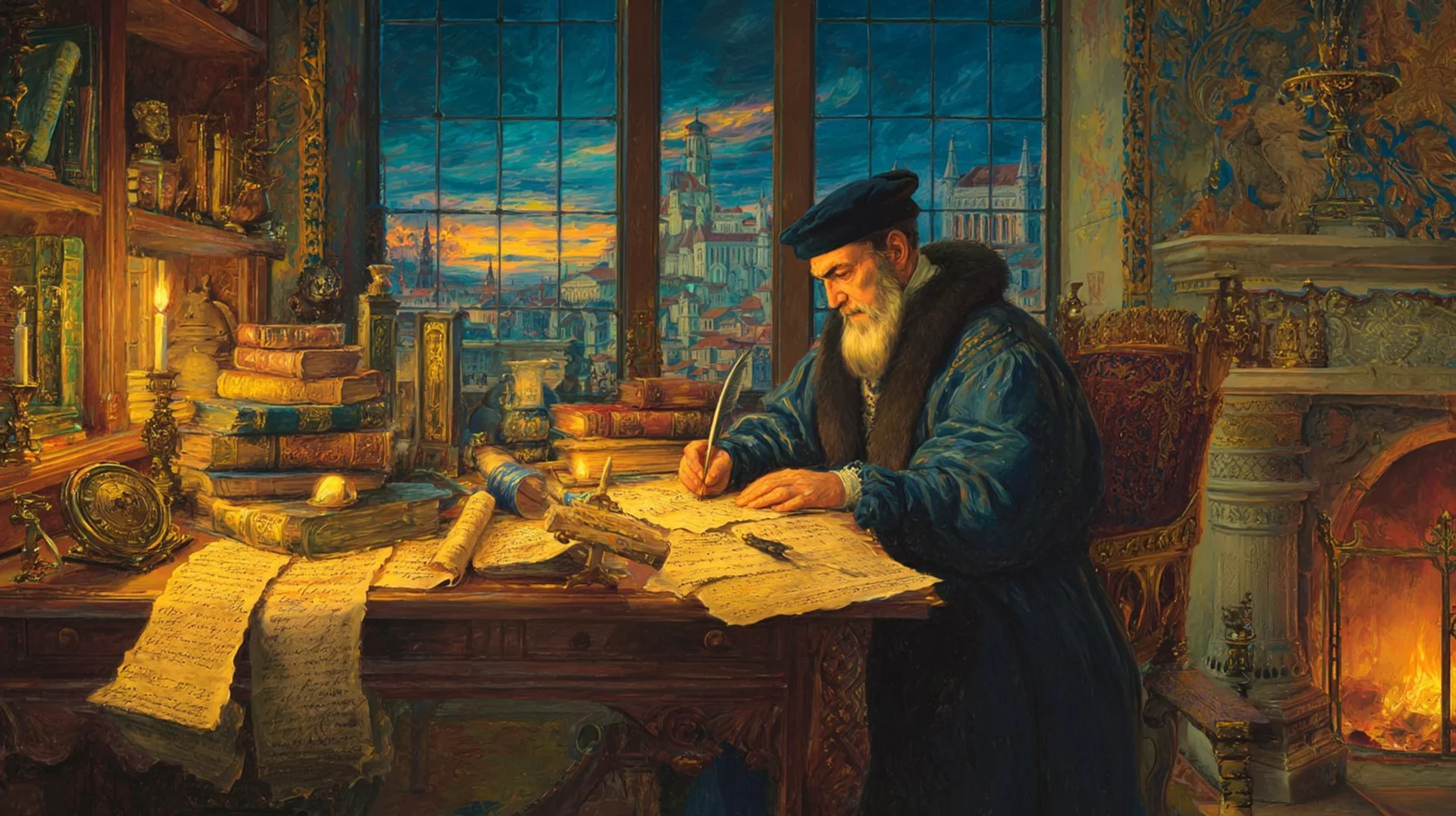
Who Was Nostradamus? His Life and Most Famous Predictions
◆ In Summary
Nostradamus was a French physician, astrologer and writer who became famous for publishing 942 prophetic quatrains in Les Prophéties. Born Michel de Nostredame on 14 December 1503 in Saint-Rémy-de-Provence, he later served as royal physician and astrologer to Catherine de Medici. He died on 2 July 1566 in Salon-de-Provence, aged 62. Nearly five centuries later, his prophecies remain in print and in argument.
Who Was Nostradamus?
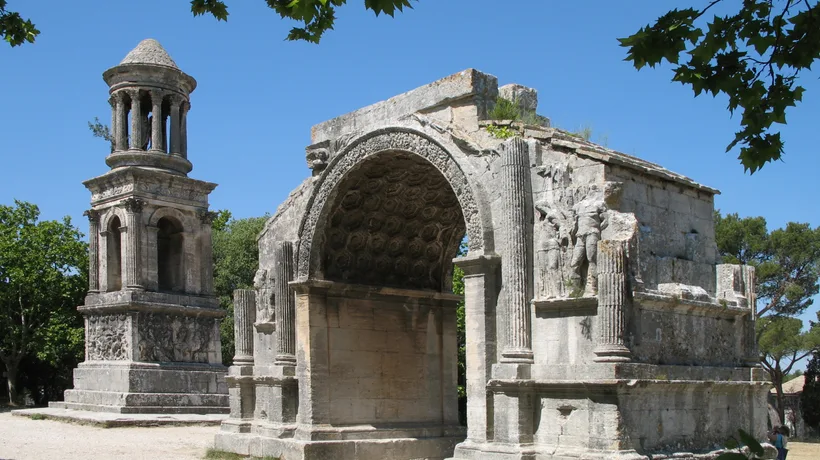
The man known as Nostradamus was born Michel de Nostredame on 14 December 1503 in Saint-Rémy-de-Provence, a typical market town in the south of France that would become famous for its association with the seer. His family, although of Jewish heritage, had converted to Catholicism a few decades before Michel's birth. This move was not motivated by spiritual discovery but rather the avoidance of mortal danger, fearing retribution from the Catholic Inquisition.
Growing up, Michel had the benefit of a wealthy and supportive family. His grandfathers were both educated men, one a physician and the other a grain merchant with side hustles in maths and astrology. The pair of them gave the young Michel a first-class education by the standards of the day: Latin, Greek, Hebrew and maths, all topped off with a pinch of celestial observation.
Michel, bolstered by his academic childhood, assumed his future lay in higher education. So, in or around 1519, he enrolled at the University of Avignon. However, the arrival of the plague forced the university to close, leading Michel to spend the next few years travelling around France, taking various jobs to fund his needs. Michel appears to have worked as an apothecary during this period, becoming fascinated with herbs and their curative properties. He became skilled at creating remedies for his customers, including concoctions that some claimed were powerful enough to treat the plague.
He later gave university another go, this time enrolling at Montpellier. His time here was cut short when the university discovered he had worked as a lowly apothecary, a trade considered beneath a scholar. They subsequently expelled Michel. The historical records are unclear on whether he ever returned to higher education. What is clear is that he resumed his apothecary work, building a practical reputation that no lecture hall could have given him.
How Nostradamus Became Famous
Michel married around 1531 and had two children. Tragically, within a few years of starting his family, the plague struck. It took his wife and both children, not only a devastating personal trauma, but also a significant blow to his professional reputation. His critics scoffed that this man, who had been lauded for his apparent ability to cure the plague, could not even save his loved ones.
He spent the next few years of his life journeying through France and possibly Italy. Reportedly, he had a roadside encounter with a group of Franciscan monks. Among their number was a man named Felice Peretti. Michel is said to have dropped to his knees, proclaiming that Felice would one day become the Pope. Peretti was elected Pope Sixtus V in 1585, nineteen years after Nostradamus died, meaning he never knew whether his roadside proclamation had come true. Some cite this as proof of his predictive powers, but it seems more of an historical anecdote rather than one of his written prophecies.
Around 1547, Michel ceased his travelling and opted for a more settled life in Salon-de-Provence. Here, he fathered two children with his new wife, wealthy widow Anne Ponsarde, and began his writing career in earnest. He achieved critical and commercial success with his series of almanacs, which sold very well in Europe. He also produced annual publications offering astrological predictions and medical advice, coupled with his thoughts on current affairs. This is the point when Michel became known by his nom de plume, Nostradamus.
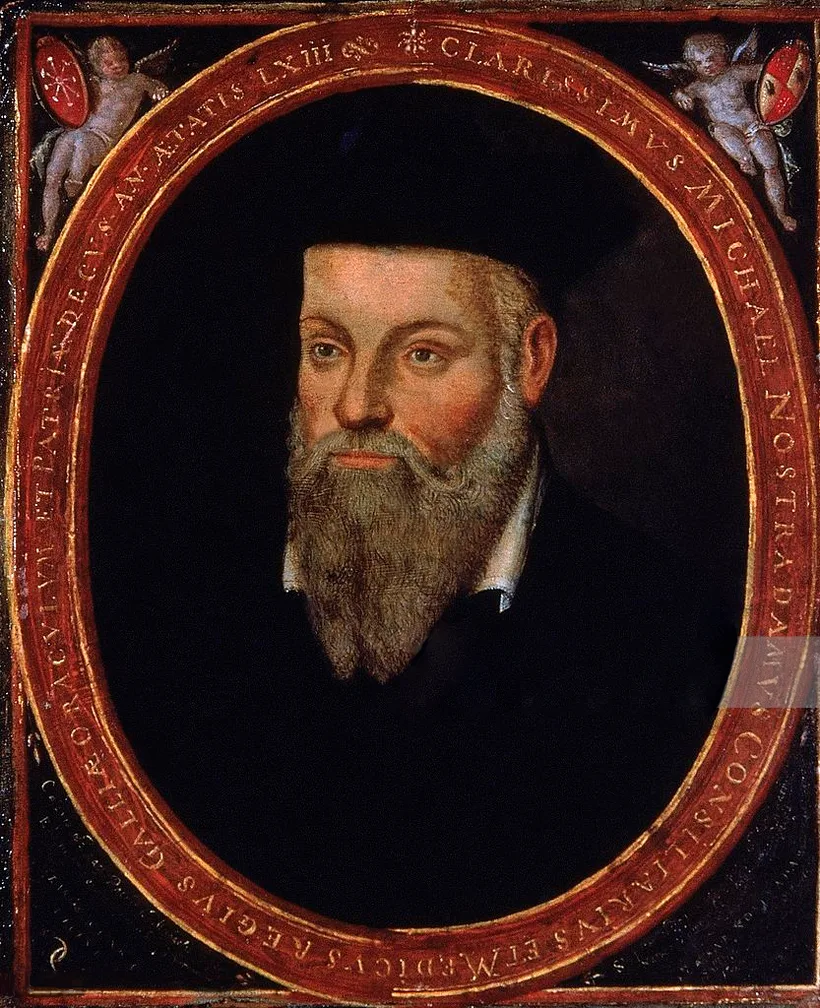
Nostradamus's Book of 942 Quatrains
Nostradamus' seminal works, The Prophecies (Les Prophéties in French), the books upon which his fame is based, began appearing in 1555. The first edition contains 353 quatrains, each consisting of four-line verses written in a deliberately obscure mixture of Middle French, Latin, Greek, and symbolic imagery. In some instances, he invented vocabulary. The complete collection, which was published after his death, totals 942 quatrains organised into ten sections of one hundred verses called Centuries.
The strange mix of languages, imagery and made-up words in his books raises a key question. Why did he make the verses so challenging to read? Nostradamus himself shed some light on the issue in The Prophecies, where he reprinted a letter to Cesar, his son. He asserted that his deliberately veiled language was simply a form of protection, both for himself and for those reading his works. He feared that if his prophecies were too easily understood, there could be panic among the population. Also, he was keen to avoid the attention of the Church in case they sanctioned him for blasphemy.
There is another, more obvious explanation. By making his words more mysterious and difficult to interpret, he was helping create a situation where his writings could literally mean anything. Indeed, for someone in the prediction business, this would certainly be a smart move: a prediction that can mean different things to different people has a much better chance of coming true.
Nostradamus had the benefit of writing in a time when astrology and astronomy overlapped. He was able to cite celestial observations and prophetic interpretations side-by-side without contradiction. Whatever people's views on the value of his prophecies, his works have significant merit as historical documents.
Nostradamus's Most Famous Predictions
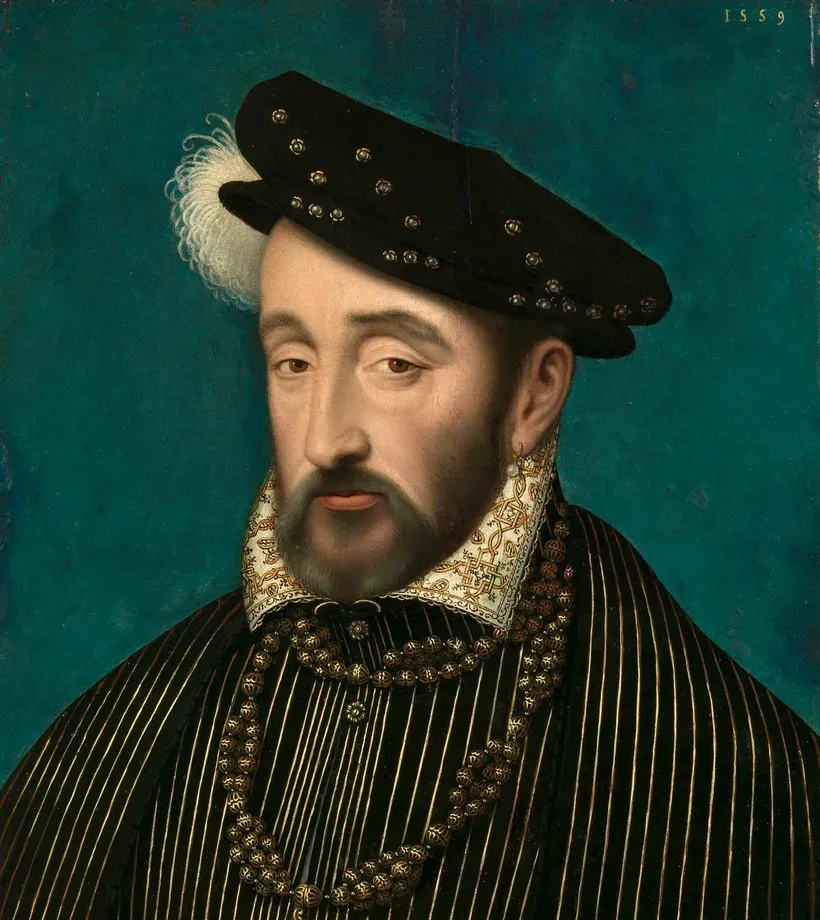
Another question worth asking at this point is, why did Nostradamus endure so successfully when contemporary seers producing similar content fell by the wayside? One part of the answer could be an incident in 1555 when Catherine de Medici, the Queen of France, summoned him to Paris. She had developed a keen interest in both astrology and prophecy and had questions about one of his verses, Century 1, Quatrain 35, which she felt referenced her husband, King Henry II.
The verse in question describes a young lion defeating an older one within a cage of gold, with one eye being pierced and a cruel death following. Just four years later, Henry II was fatally injured in a joust. A lance shattered and a splinter passed through his gilded visor, piercing his eye. He died in agony ten days later.
Now, it is not known how concerned Catherine actually was about the quatrain, if indeed she was. But once Henry had died, it was possible for people at the time to revisit the prophecy and match the actual events with Nostradamus' vague words. Since the quatrain had been written four years before the death of Henry II and matched the details of his demise, it gave significant credence to his powers of prophecy. Many supporters regard this as Nostradamus' most famous prediction. And this is how the quatrains almost always work: the prophecy is written, an event takes place and all the details fall into place. Once the outcome is known, the prophecy can be understood. Nostradamus, either by design or luck or both, was able to construct his verses in such a way as to tap into the human desire to find meaning in events.
Whatever her views on the quatrain and the death of her husband, Catherine decided to keep Nostradamus in her employ. He was given the prestigious roles of royal physician and astrologer, and his duties also included casting horoscopes for the royal children. It is not known how much time he actually spent at court, but as his health deteriorated, he appears to have retreated to his home in Salon-de-Provence.
How Did Nostradamus Die?
Nostradamus was able to continue his writings until his ailments became too severe and he was confined to his room. He is known to have suffered badly from gout, a condition that, given its likely severity, probably progressed to congestive heart failure by the end of his life. It is reported that on the evening of 1 July 1566 he told his secretary Jean de Chavigny that he would not be seen alive the following morning. The next day he was found dead aged 62, apparently having fallen while attempting to get out of bed.
As per his final wishes, he was buried upright, in the wall of the Couvent des Cordeliers in Salon-de-Provence, to avoid a traditional grave his detractors could walk over.
His remains did not stay there. During the French Revolution, soldiers broke into the tomb, apparently looking for loot rather than answers. What happened next depends on which account you trust, most versions involve a soldier drinking wine from his skull and being killed within a day, sniped or caught in a Royalist ambush. What survived the chapel was moved afterwards to the Collégiale Saint-Laurent, where it remains today. The full story, including where an earlier, calmer legend about a medallion actually belongs, is picked up properly in the third piece in this series.
Did Nostradamus Really Predict the Future?
Thanks to a reputation and legacy that has only increased over the years, there exists today a significant industry built around Nostradamus' verses. Such is the appetite for his prophecies that some authors have sold millions of books on the subject. Every generation can find its own interpretations in the same way, thanks to the vagueness of his words and the knowledge of events that have already taken place: the Great Fire of London, Hitler, the September 11 attacks and even the COVID pandemic can all find a home there. Supporters can confidently claim to identify the particular event in his verses, since no one can gainsay the intended meaning of the quatrains.
Peter Lemesurier, who has spent decades studying Nostradamus, believed many of the prophecies to be wrong. A fluent French speaker, he worked from the original texts rather than the translations and concluded that the verses rely on historical cycles and classical sources rather than genuine foresight. He debunked the notion that Nostradamus even intended to prophesy events centuries in the future, instead having contemporary events in mind.
Despite such reasoned arguments against his writings, there remains a popular appetite for Nostradamus' prophecies. This tells us what people actually want from them. It is not so much predictions of things to come that appeal, but rather explanations of what has happened in the past. They want to believe that history has a shape that can be understood, that events are not random. Nostradamus fits the bill. He led a remarkable life, had a huge intellect and his quatrains offer a fascinating window into his life and times.
Nostradamus was not the only prophetic figure whose reputation grew after death. England's Mother Shipton followed a remarkably similar path, with later generations attributing predictions to her that may never have existed in their original form. Russia had its own version of the same story in Rasputin, a figure whose legend was almost entirely invented by his murderers.
Frequently Asked Questions
When was Nostradamus born?
Nostradamus was born Michel de Nostredame on 14 December 1503 in Saint-Rémy-de-Provence, in the south of France.
How did Nostradamus die?
Nostradamus died on 2 July 1566 in Salon-de-Provence, aged 62. He had suffered from gout for years, which likely progressed to congestive heart failure. He reportedly told his secretary the evening before that he would not be seen alive the following morning.
How many quatrains did Nostradamus write?
Nostradamus wrote 942 quatrains in total, organised into ten sections called Centuries. The first edition of Les Prophéties, published in 1555, contained 353 quatrains. The complete collection was published after his death.
Was Nostradamus a real person?
Yes. Michel de Nostredame was a 16th century French physician and astrologer who lived from 1503 to 1566. He served as royal physician and astrologer to Catherine de Medici, Queen of France.
Did Nostradamus predict the future?
Most historians and scholars do not believe Nostradamus accurately predicted future events. His quatrains are often vague and open to interpretation, allowing later readers to connect them with events that have already happened.
The Nostradamus Series
◆ Also In The Stars


◆ Go Deeper
Recommended
The Nostradamus Encyclopedia by Peter Lemesurier
Amazon ↗
A Social History of France in the 16th Century
Amazon ↗
The Complete Prophecies of Nostradamus
Amazon ↗
Affiliate links — we may earn a small commission at no cost to you.