◆ What Lies Ahead ◆
The Future?
The future has always been speaking. The question is whether anyone is listening. Could we reach the stars? Is anyone else out there? These are the ideas, the missions and the warnings pointing to what comes next.
THE FUTURE
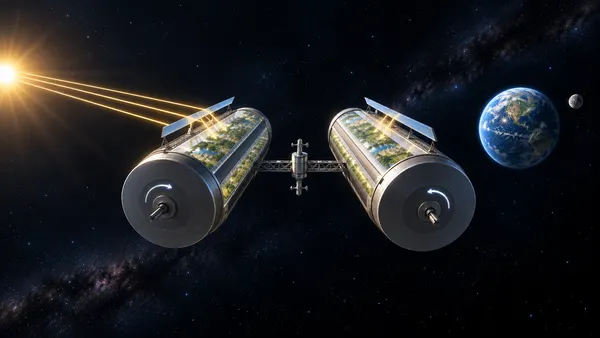
O'Neill's Cylinder: Could This Space Colony Work?
Gerard O'Neill's giant rotating space colony took four years to get published. NASA studied it in 1975 and chose the Stanford Torus instead. Fifty years on, Bezos and Musk are having the same argument all over again.
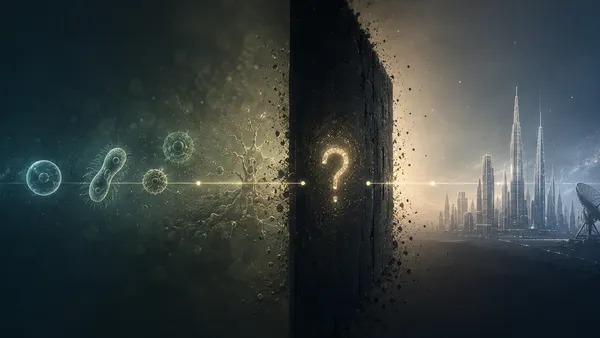
The Great Filter Hypothesis: Why the Universe Is So Quiet
The Great Filter hypothesis argues one step to becoming a galaxy-spanning civilisation is so hard that almost nothing survives it. Two stages stand out as strong candidates, but even that verdict may not fully hold up.
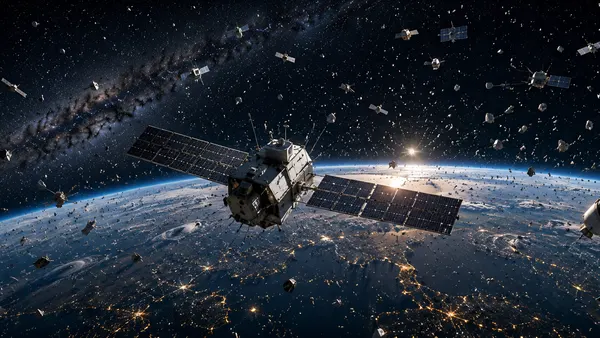
What Is Kessler Syndrome? The Space Debris Problem
Kessler Syndrome is the theory that orbital debris could reach a density where one collision sets off a chain reaction of more collisions. Kessler predicted it in 1978, and some readings say we've crossed that threshold.
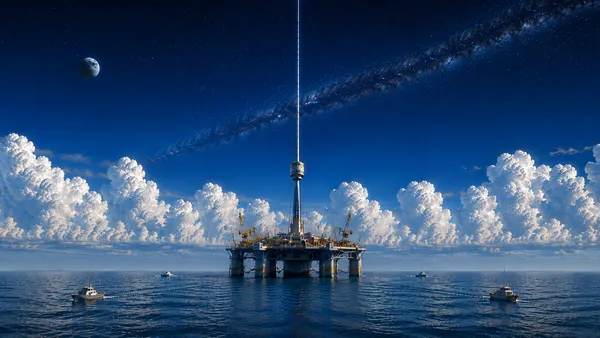
Could We Build a Space Elevator? The Material Problem
A space elevator would carry cargo to orbit on a cable instead of a rocket. Konstantin Tsiolkovsky sketched the idea in 1895, Arthur C. Clarke popularised it in 1979. The physics works. The material doesn't exist yet.
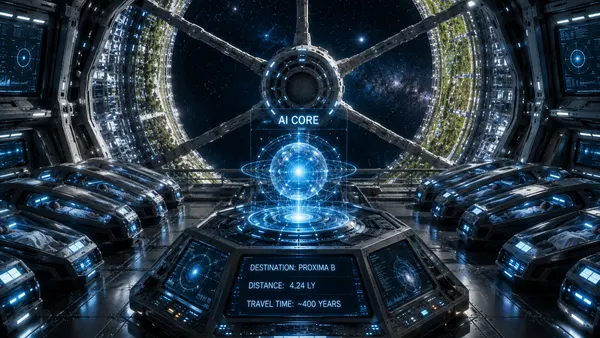
Could AI Really Help Humans Go Interstellar?
Could AI help humans go interstellar? On a stasis ship it would be a guardian, tending an unconscious crew for centuries. On a generation ship, something closer to an authority, breeding committee, or even a god.
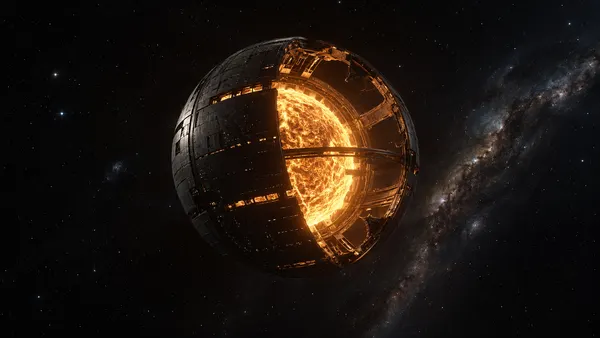
Dyson Spheres: The Real Science Behind the Sci-Fi
A Dyson sphere is a hypothetical megastructure built to harvest a star's total energy output. In July 2026, JWST ruled out two of the seven Project Hephaistos candidates. The remaining five have not been confirmed.
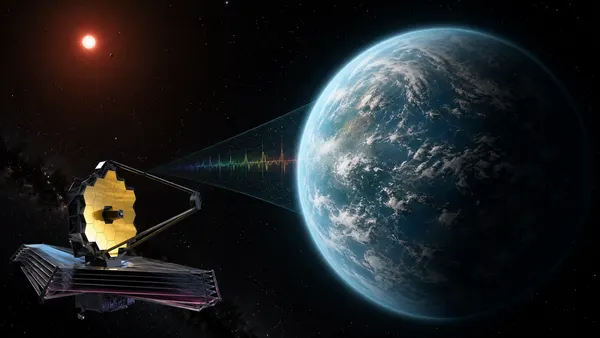
Is There Life on K2-18b? The Biosignature Debate
In 2025, astronomers found a possible biosignature gas on K2-18b, calling it the strongest evidence yet for alien life. Five independent teams have since re-examined the same data and failed to reproduce the signal.
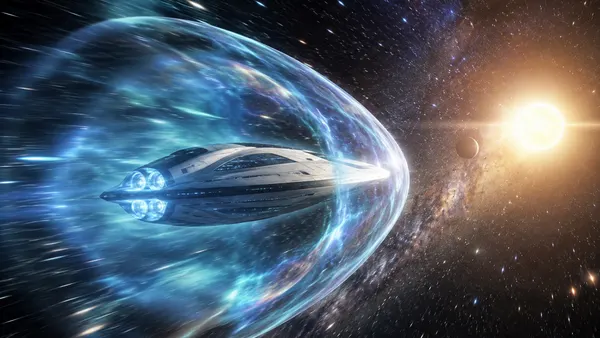
Could Alcubierre Warp Drive Achieve Interstellar Travel?
A subluminal warp bubble no longer needs exotic matter, new physics shows, but it still needs a rocket to move. The real shortcut, true faster-than-light travel, is still exactly where Alcubierre left it in 1994.
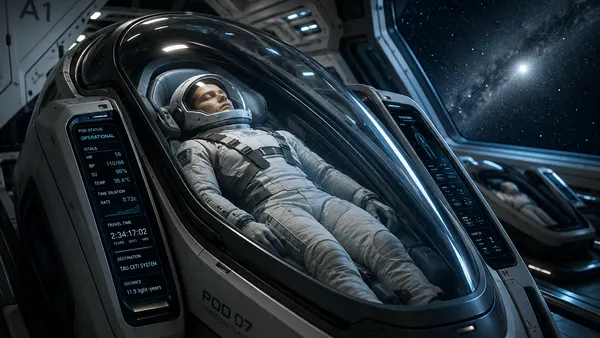
Could Suspended Animation Achieve Interstellar Travel?
Torpor could shrink a Mars mission by half, but nothing proves it works past months, let alone years. Vitrification could last centuries, but nobody has revived a whole mammal. Neither gets a crew to another star yet.

Would a Generation Ship Achieve Interstellar Travel?
A generation ship only works if the people who board it are never the people who arrive. Chrysalis, a real 2025 design, would take about 400 years to reach Proxima b, assuming anyone on board survives the trip.
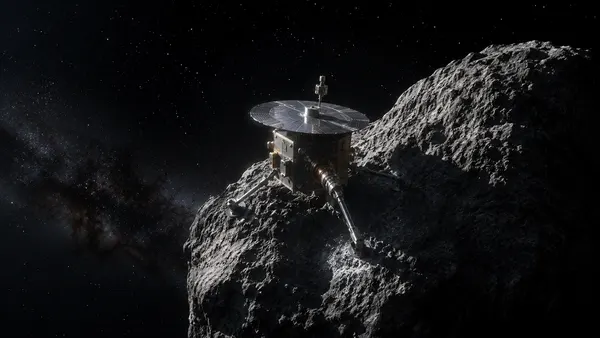
Could We Actually Mine Asteroids for a Profit?
Elon Musk became space's first trillionaire in 2026. Could asteroid mining make someone else that rich? A private company has already tried and failed twice. The bigger obstacle may be economics, not engineering.
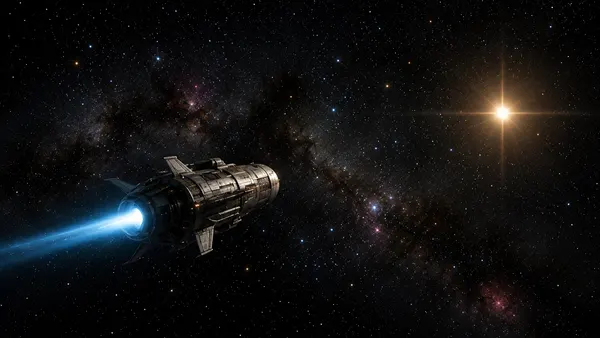
Is Interstellar Travel Possible? The Physics Verdict
Voyager 1 would need 73,000 years to reach the nearest star. From light sails to warp drives, here is what physics allows, what near-future engineering can actually foresee, and why the first travellers won't be human.
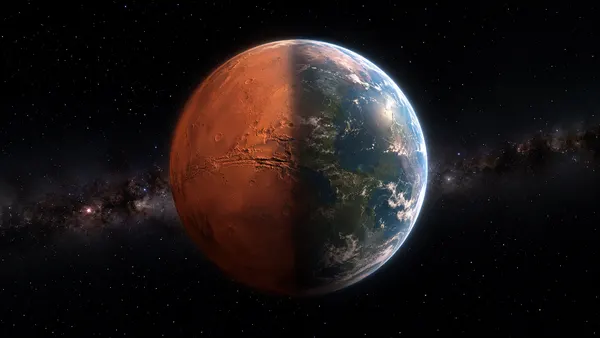
Could We Terraform Mars? The Real Science
Terraforming Mars was declared impossible in 2018 when scientists found too little CO2 to thicken its atmosphere. New research suggests warming it is now a genuine engineering question. The catch is what comes next.

Can AI Predict the Future? The New Oracle Explained
AI is already forecasting outbreaks, markets and weather with real accuracy. Discover how it compares to ancient oracles, why its fluent confidence can mislead, and who really controls the predictions it makes.

The Drake Equation: How Many Civilisations Are There?
Frank Drake's famous equation promised a way to estimate how many intelligent civilisations inhabit the Milky Way. More than sixty years later, it still asks one of humanity's biggest unanswered questions: are we alone?

What Happens to Earth When the Sun Finally Dies?
The Sun is halfway through its life. In about a billion years Earth loses its oceans, and five billion years from now the star that made us becomes a swollen red giant, engulfing Mercury and Venus along the way.
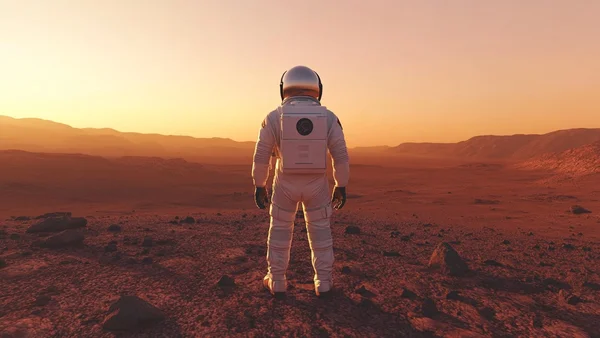
A Year on Mars: What Life on the Red Planet Looks Like
The first crew to reach Mars will spend roughly 500 days on the surface with no resupply and no way home until the planets align. Here is what that first year, bone loss, comms delays and all, might actually look like.
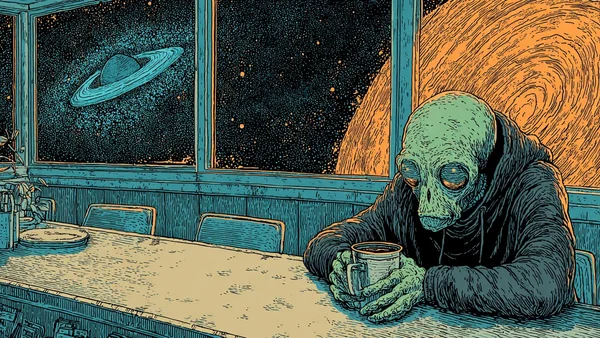
The Fermi Paradox: Are We Alone in the Universe?
Are we alone in the universe? The conditions for life appear to be everywhere. The evidence for it, beyond Earth, is nonexistent. The Fermi Paradox has been asking why for seventy years, with no satisfying answer yet.
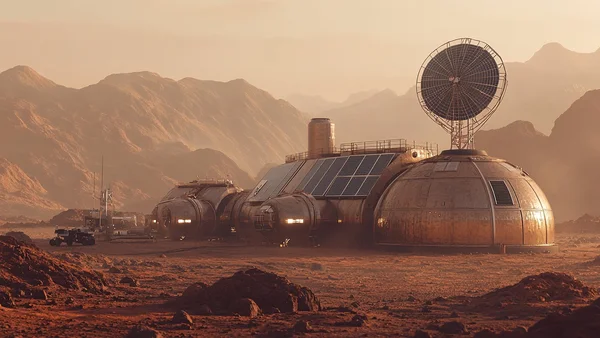
When Will Humans Land on Mars? The Honest Answer
NASA says the 2030s. SpaceX has said the 2020s for fifteen years. The honest answer to when humans will land on Mars requires getting past the press releases and into the engineering, where the story gets complicated.
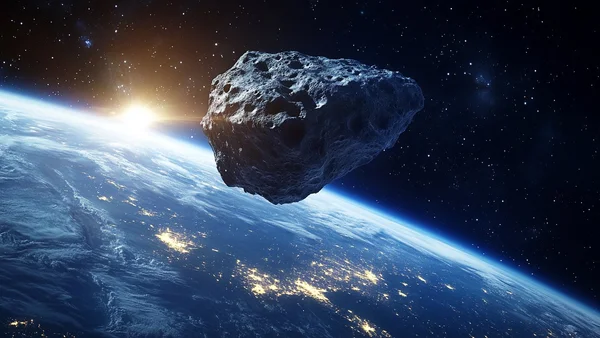
Asteroid 2024 YR4: What the Moon Near-Miss Revealed
For a few weeks earlier this year, asteroid 2024 YR4 had a calculated probability of striking the Moon in 2032. Scientists ruled it out in March. What the episode revealed about our planetary defences is less reassuring.
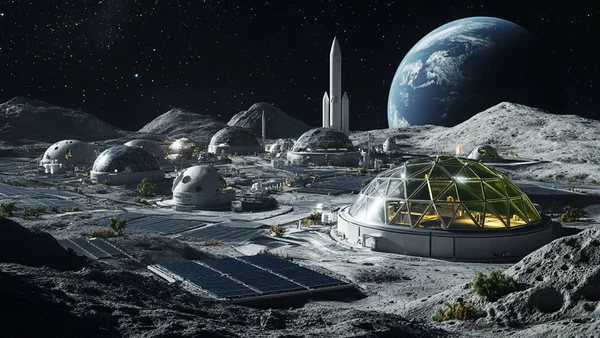
NASA Moon Base: When Will Humans Live on the Moon?
NASA plans to build a permanent Moon base at the lunar south pole by 2032, chosen for its water ice deposits. Discover the Artemis missions, the technology involved and when humans could finally live on the Moon.