No fireworks, just a sea anchor and an inflatable collar. The drama happened hours earlier, at 2,700 degrees, on a heat shield nobody was fully sure about.
Artemis II Splashdown: What NASA's Moon Crew Return Looked Like
◆ In Summary
Integrity hit the Pacific at 8:07 p.m. on 10 April 2026, completing the Artemis II splashdown. The heat shield held, the parachutes deployed, and the first crewed lunar mission in fifty years ended without incident. The engineers who had publicly questioned the hardware before launch now have a capsule to inspect. The mission was a success. What it proves is a separate question.
◆ At a Glance
| Splashdown | 10 April 2026, 8:07 p.m. Eastern |
| Location | Pacific Ocean, off San Diego |
| Re-entry speed | ~23,800 mph |
| Heat Shield Temp | ~2,700°C |
| Distance Record | 252,756 miles from Earth (6 April) |
| Parachutes deployed | 11 in sequence |
| Recovery vessel | USS John P. Murtha |
| Next | Artemis III heat shield inspection |
Artemis II Splashdown: A Perfect Bullseye
The Artemis II splashdown was a perfect bullseye, Mission Control said, and at 8:07 p.m. Eastern on 10 April 2026 that was technically accurate. The Orion spacecraft named Integrity had hit the Pacific Ocean off San Diego exactly on schedule. The engineers who had spent the previous weeks arguing about the heat shield may have heard it differently. What the live coverage largely skipped is that getting to that moment required flying hardware that outside experts had publicly questioned, on a modified re-entry path designed to manage a risk the agency itself acknowledged it could not fully eliminate.
The shield held. Getting there was not simple.
The Heat Shield Question
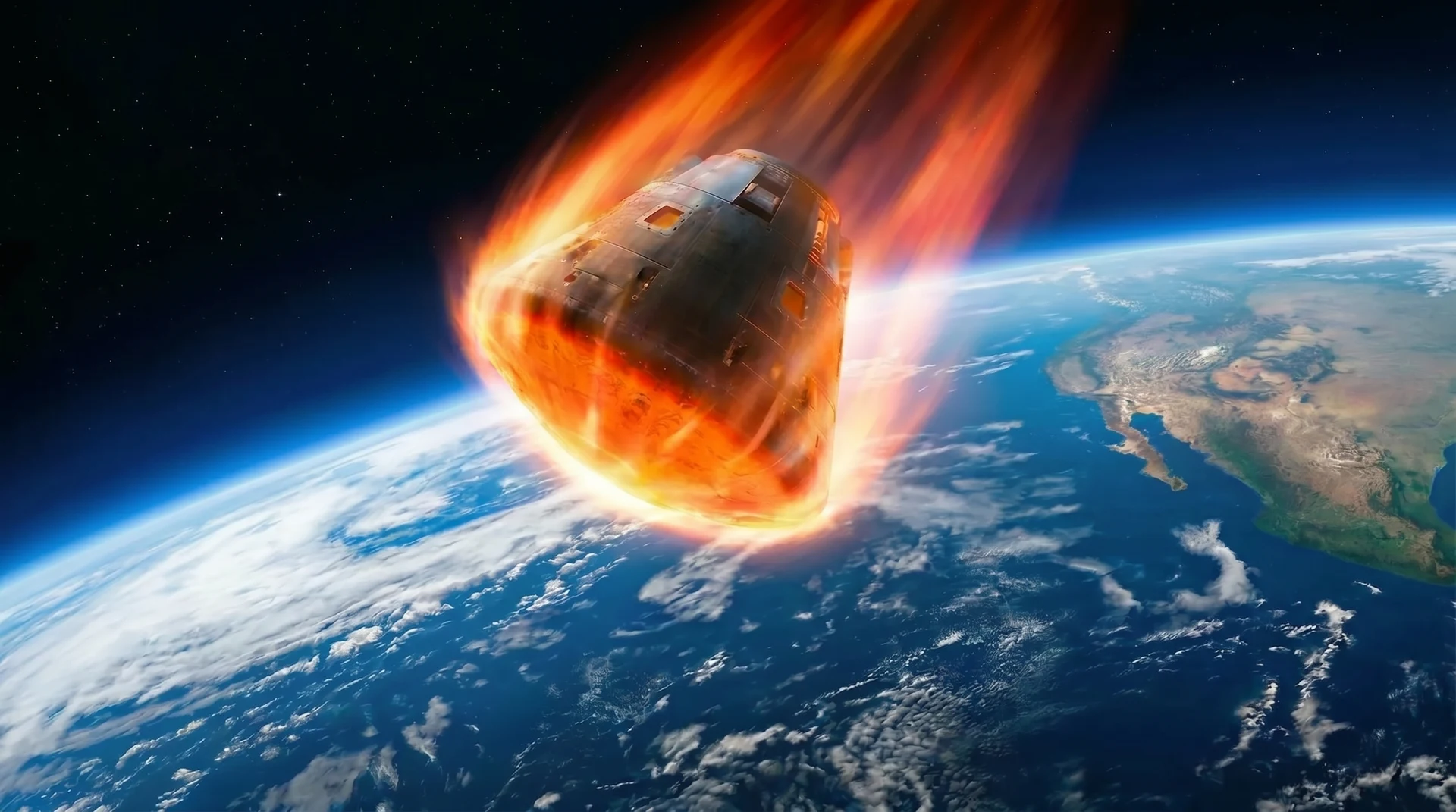
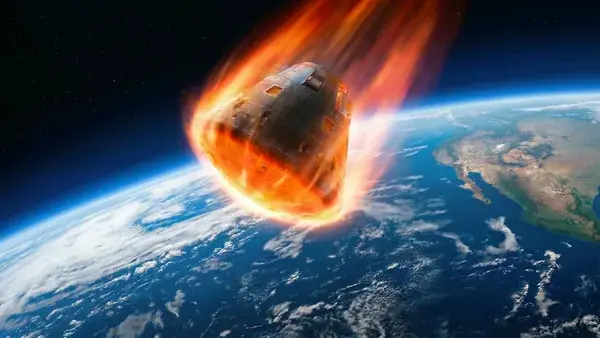
Nobody films re-entry well. The number that explains why is 23,800 miles per hour, which is roughly how fast Orion entered the atmosphere, and what the physics produces at that speed is best described as controlled violence. Air compressed in front of the capsule and heated to approximately 2,700 degrees Celsius, not a temperature compatible with much. NASA had planned a modified path specifically to reduce the load on a heat shield its own investigation had flagged as flawed, and chosen to fly anyway. It worked. Eleven parachutes then deployed in sequence, slowing Integrity from around 325 miles per hour to approximately 20 miles per hour for splashdown.
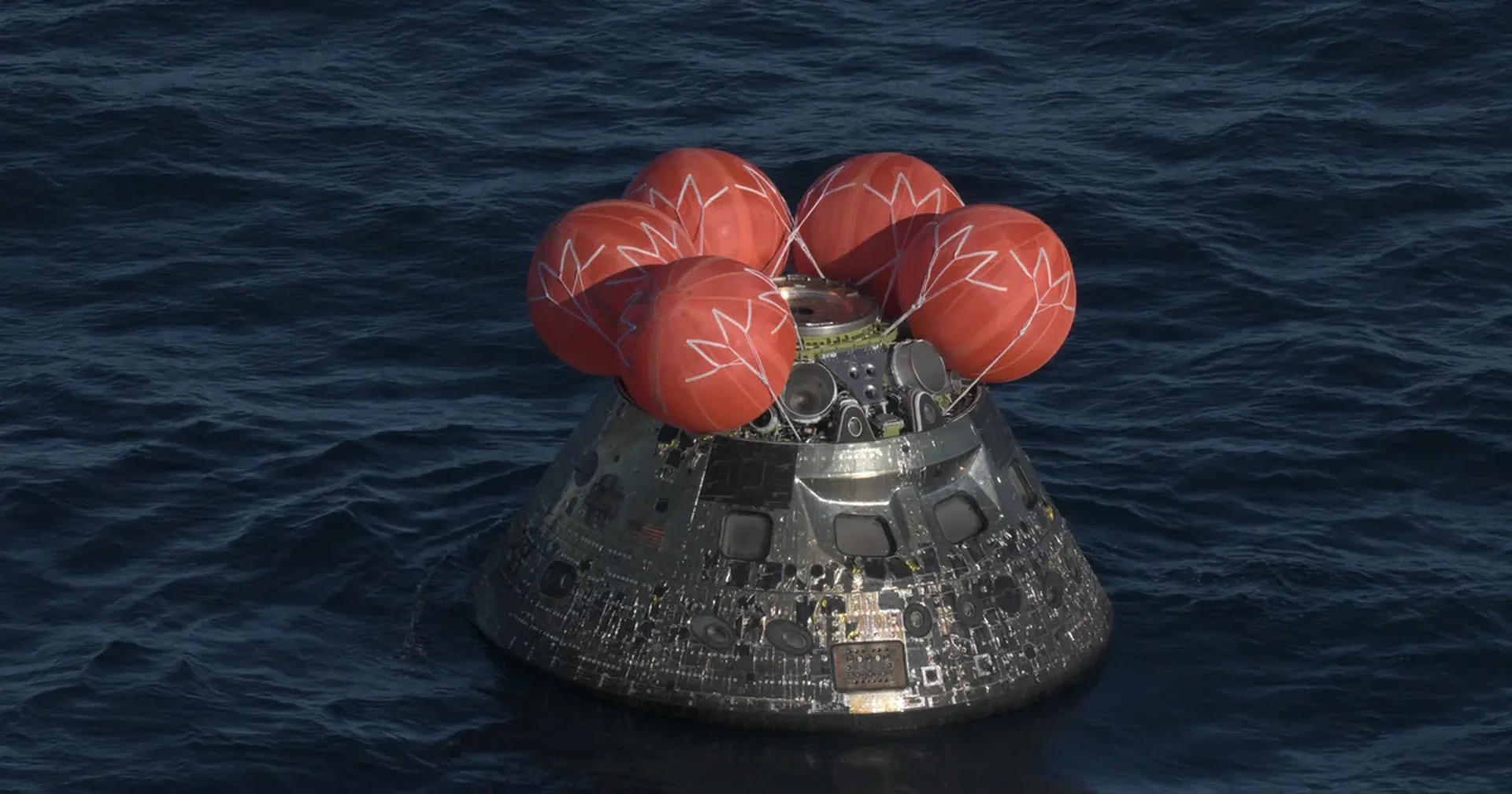
What followed the Artemis II splashdown was less cinematic. A sea anchor first, to stabilise the capsule. Then an inflatable collar around the base, then a raft rigged under the side hatch, none of it fast, none of it particularly dramatic to watch. Reid Wiseman came out last. By that point the floor of Mission Control in Houston was already crowded with NASA employees who had spent the better part of a decade working toward something they were now watching on screens, which is its own kind of strange. Wiseman radioed that all four crew members were doing well. Standard formulation. On this occasion, accurate.
The medical bay on the USS John P. Murtha was the first stop. Helicopter from the raft, evaluations, then an obstacle course test designed to measure how well the crew were reacclimating to gravity. Ten days in microgravity is not catastrophic, shorter than a standard ISS rotation, but the body does not distinguish between a historic lunar mission and a routine absence from normal physics. Bone density, cardiovascular function, muscle mass: it all degrades on the same schedule regardless of where you were, and reversing it takes considerably longer than ten days. Houston came the following day, families waiting, cameras present, the whole apparatus of a public homecoming.
What the obstacle course results produced will feed into Artemis III planning in ways that will not be announced at any press conference.
On 6 April, Integrity had set a new record for the furthest humans have ever travelled from Earth, 252,756 miles, surpassing Apollo 13. At the post Artemis II splashdown news conference, Glover was asked about the highlights. He chose the solar eclipse. "We saw great simulations made by our lunar science team, but when that actually happened, it just blew us all away." For a man who had just watched the sun disappear behind the moon for nearly an hour from a distance no human had occupied since 1972, that is probably the only honest response. He also noted, without apparent complaint, that launching on 1 April meant the lunar far side was less illuminated than the crew had hoped. Space gives with one hand.
The data they brought back, from the eclipse observation, from the six meteoroid impact flashes recorded on the lunar surface, from ten days of Orion systems evaluation in deep space, now goes to the engineers. That work is quieter than the homecoming and considerably more consequential. The heat shield inspection, in particular, will tell the people building Artemis III's redesigned version whether the confidence NASA placed in Integrity was justified, or whether the outside experts who raised concerns before launch were closer to right than the mission's success suggests. NASA Associate Administrator Amit Kshatriya told the crew the night before splashdown: "To every engineer, every technician that's touched this machine, tomorrow belongs to you." A generous sentiment. Also, given what those engineers now have to find out about that heat shield, a slightly complicated one.
Image credit: NASA
The Artemis II Series
Frequently Asked Questions
What time did Artemis II splash down?
Integrity hit the Pacific Ocean at 8:07 p.m. Eastern on 10 April 2026, off the coast of San Diego.
How fast did Orion re-enter the atmosphere?
Orion entered the atmosphere at approximately 23,800 miles per hour. Air compressed in front of the capsule heated to around 2,700 degrees Celsius. Eleven parachutes then deployed in sequence to slow the capsule to approximately 20 miles per hour for splashdown.
What distance record did Artemis II set?
On 6 April 2026, Integrity reached 252,756 miles from Earth, surpassing the record set by Apollo 13 and making it the furthest humans have ever travelled from the planet.
What did Victor Glover say was the highlight of the mission?
At the post-splashdown news conference, Glover said the solar eclipse was the highlight. He described watching the sun disappear behind the moon for nearly an hour as something that went well beyond anything the simulations had prepared them for.
Why does the heat shield inspection matter after splashdown?
NASA flew Integrity with a heat shield that outside engineers had publicly raised concerns about before launch. The post-splashdown inspection will determine whether those concerns were justified and directly inform the redesigned heat shield being built for Artemis III.
◆ Also In The Stars

◆ Go Deeper
Recommended
Knowledge Encyclopedia Space!: The Universe as You've Never Seen it Before
Amazon ↗
Affiliate links — we may earn a small commission at no cost to you.